Profitable but Broke: Cash Flow vs Profit
Profit and cash are not the same thing. Cash accounting records money when it moves. Accrual accounting records income when it is earned and costs when they are incurred, which shows profit more accurately but says nothing about the bank balance. That is why a business can report a profit while running short of the cash it needs to pay bills now.
· Updated · 3 min read

On this page
- Profit is an accounting result. Cash is what you can actually pay the bills with.
- Cash timing can sink an otherwise promising business.
- Booked revenue is not collected cash, and payment lags decide when you can spend it.
- Track both profit and cash, and always ask what cash moved and when.
Profit is a result, cash is what you spend
Revenue is booked, invoices are outstanding, but payroll is due now. That is the classic squeeze. Profit is an accounting result. Cash is what is actually available to meet obligations this month.
Accrual vs cash: Accrual accounting records revenue when it is earned. The cash view records it when the money actually arrives. The gap between them is where the squeeze lives.
How cash timing sinks profitable businesses
A company that invoices on 60-day terms but pays staff every fortnight funds two months of work before the first payment lands. The faster it grows, the bigger that gap gets.
Cash flow mistakes to avoid
- Confusing booked revenue with collected cash.
- Forgetting that stock and equipment are paid for before they show up as costs in profit.
- Treating loan repayments and owner drawings as if they don't affect cash, because they never appear in profit.
Reading profit and cash side by side
| Feature | Startup Suite | A spreadsheet |
|---|---|---|
| Profit and cash | Built to keep profit and cash timing connected in one operating view | Can show statements separately |
| Readability | Founder-friendly interpretation | Easy to misread for non-finance users |
- Profit and cash
- Built to keep profit and cash timing connected in one operating view
- Readability
- Founder-friendly interpretation
- Profit and cash
- Can show statements separately
- Readability
- Easy to misread for non-finance users
A one-off explanation versus monthly cash tracking
An accountant can explain why last quarter's profit never showed up in the bank. Spotting the next gap before payroll is due means checking expected collections against upcoming bills every month.
Spotting the cash gap in Startup Suite
Startup Suite's runway view is built to show when the business is profitable on paper but short of cash, so the timing gap shows up before it becomes a crisis.
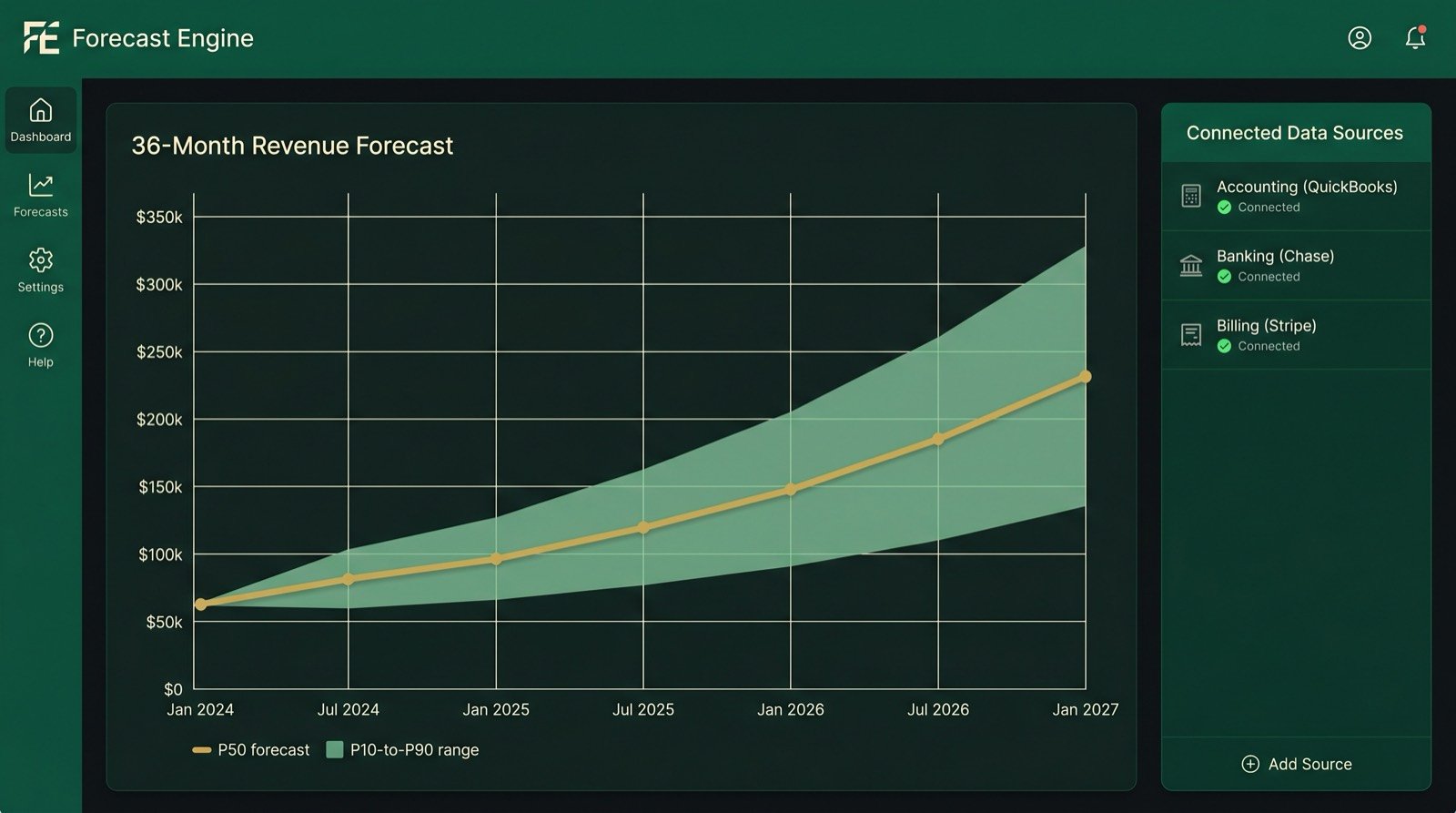
Forecast Engine: profit and cash, side by side
- Built to show booked profit and actual cash movement on the same timeline.
- Designed to flag the months where collections lag the bills.
- Plan around payment timing instead of being surprised by it.
Profitable on paper, $6,000 short in cash
Suppose revenue booked this month is $40,000, cash collected this month is $18,000, and payroll and overhead paid is $24,000. If those are the month's only costs, accrual profit is 40,000 minus 24,000, or $16,000. The cash movement is 18,000 minus 24,000, or negative $6,000.
The gap: That negative $6,000 comes out of runway. Plan monthly decisions from the cash line, and ask of every invoice when the money will actually arrive.
Profitable but broke
Frequently asked questions
Can a profitable business fail?
Yes, if cash timing is poor and obligations come due before collections arrive.
Is accrual accounting wrong?
No. It measures profit more accurately. It just doesn't show when cash arrives.
Should founders track both?
Yes. Profit tells you whether the business model works. Cash tells you whether you can pay next month's bills.
Still have questions? Talk to the team.